
Contents
Overview
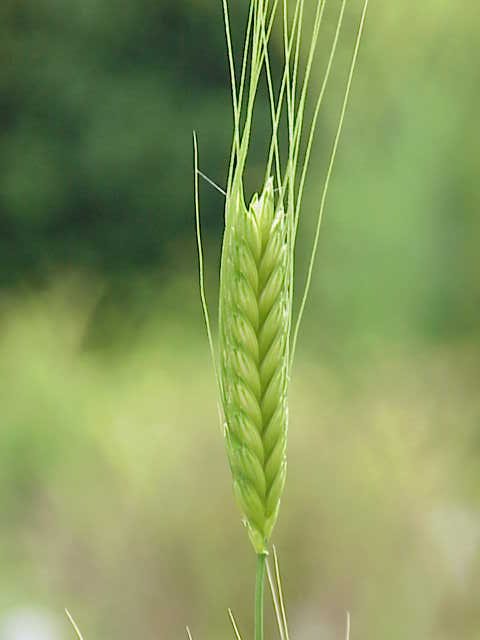
A gluten-free diet is a nutritional plan that excludes gluten, a protein found in wheat, barley, rye, and oats, to manage gluten-related disorders such as coeliac disease, non-coeliac gluten sensitivity, and wheat allergy. With a growing community of individuals adopting a gluten-free lifestyle, it's essential to understand the benefits, challenges, and resources available. The gluten-free community is supported by organizations such as the Celiac Disease Foundation and the Gluten Intolerance Group, which provide resources, advocacy, and education for individuals with gluten-related disorders.
Origins & History
The concept of a gluten-free diet has its roots in the early 20th century. Today, the gluten-free community is supported by organizations such as the Celiac Disease Foundation and the Gluten Intolerance Group, which provide resources, advocacy, and education for individuals with gluten-related disorders.
How It Works
A gluten-free diet works by excluding gluten, a protein found in wheat, barley, rye, and oats, which can cause inflammation and damage to the small intestine in individuals with gluten-related disorders. The diet typically includes a variety of gluten-free grains, such as rice, quinoa, and corn, as well as fruits, vegetables, and lean proteins.
Key Facts & Numbers
Key facts about gluten-free diets include the fact that a gluten-free diet is a nutritional plan that excludes gluten to manage gluten-related disorders. Companies such as Glutino and Udi's are leading the way in gluten-free product development, with a wide range of gluten-free products available in stores and online.
Key People & Organizations
Key people and organizations in the gluten-free community include Alice Bast, the founder of the National Foundation for Celiac Awareness, and Dr. Alec Alexander, a leading researcher on coeliac disease. Organizations such as the Celiac Disease Foundation and the Gluten Intolerance Group provide resources, advocacy, and education for individuals with gluten-related disorders. For example, the Celiac Disease Foundation offers a gluten-free certification program for food manufacturers, ensuring that products meet strict gluten-free standards.
Cultural Impact & Influence
The cultural impact of gluten-free diets is significant, with many restaurants and food manufacturers now offering gluten-free options. The gluten-free community is also supported by social media platforms, which provide a space for individuals to share their experiences and connect with others who are following a gluten-free lifestyle.
Current State & Latest Developments
The current state of gluten-free diets is one of growth and innovation, with new products and technologies emerging all the time. However, there are also challenges, such as the risk of cross-contamination and the need for accurate labeling and certification.
Controversies & Debates
Controversies and debates surrounding gluten-free diets include the question of whether oats should be included in a gluten-free diet, as well as the potential for gluten-free diets to be used as a fad or trend. Some critics argue that the gluten-free diet is not necessary for individuals without gluten-related disorders, and that it can be overly restrictive and expensive. However, proponents of the diet argue that it can be a highly effective treatment for those with gluten-related disorders, and that it can also have benefits for overall health and wellness.
Future Outlook & Predictions
The future outlook for gluten-free diets is one of continued growth and innovation, with new products and technologies emerging all the time. The rise of personalized nutrition is driving demand for customized gluten-free products, with companies such as Thrive Market offering personalized gluten-free meal planning and product recommendations.
Practical Applications
Practical applications of gluten-free diets include meal planning and grocery shopping, as well as cooking and baking. Many resources are available to help individuals navigate a gluten-free lifestyle, including cookbooks, online recipes, and support groups. For example, the Gluten-Free Dietitian offers personalized meal planning and nutrition counseling for individuals with gluten-related disorders.
Key Facts
- Year
- 2020
- Origin
- Global
- Category
- lifestyle
- Type
- concept
Frequently Asked Questions
What is a gluten-free diet?
A gluten-free diet is a nutritional plan that excludes gluten, a protein found in wheat, barley, rye, and oats, to manage gluten-related disorders such as coeliac disease, non-coeliac gluten sensitivity, and wheat allergy.