
Contents
- 🎵 Origins & History
- ⚙️ How It Works
- 📊 Key Facts & Numbers
- 👥 Key People & Organizations
- 🌍 Cultural Impact & Influence
- ⚡ Current State & Latest Developments
- 🤔 Controversies & Debates
- 🔮 Future Outlook & Predictions
- 💡 Practical Applications
- 📚 Related Topics & Deeper Reading
- Frequently Asked Questions
- References
- Related Topics
Overview
The rise of gluten-free diets has led to a surge in gluten-free food companies, offering a wide range of products to cater to the growing demand. With the global gluten-free market projected to reach $43.65 billion by 2025, companies like Gluten-Free Pantry, Udi's Gluten-Free, and Glutino are leading the way in providing high-quality, gluten-free alternatives to traditional foods. From baked goods to snacks, and from restaurants to online meal kits, the options for gluten-free consumers have never been more diverse. As the awareness of gluten intolerance and sensitivity continues to grow, gluten-free food companies are poised to play a vital role in shaping the future of the food industry. With a focus on innovation, quality, and customer satisfaction, these companies are helping to make gluten-free living easier, more accessible, and delicious. The gluten-free market is expected to grow at a CAGR of 10.4% from 2020 to 2025, driven by increasing consumer demand for gluten-free products. Key players in the market include General Mills, Kellogg's, and PepsiCo, which have all expanded their gluten-free product offerings in recent years.
🎵 Origins & History
The concept of gluten-free food companies has its roots in the early 2000s, when the first gluten-free products began to emerge in response to growing consumer demand. Companies like Bob's Red Mill and Gluten-Free Pantry were among the pioneers in the industry, offering a range of gluten-free flours, baking mixes, and other products. Today, the gluten-free market is a thriving industry, with hundreds of companies offering a wide range of products to cater to the growing demand. The history of gluten-free food companies is closely tied to the history of gluten-free diets, which have been around for centuries. However, it wasn't until the 20th century that gluten-free diets became more mainstream, with the development of gluten-free products and the establishment of companies like Celiac Disease Foundation.
⚙️ How It Works
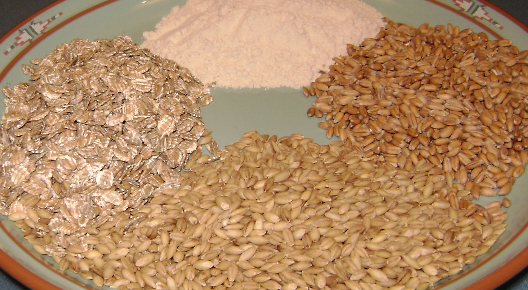
Gluten-free food companies work by developing and manufacturing products that are free from gluten, a protein found in wheat, barley, and rye. These companies use a variety of ingredients, including rice, corn, and quinoa, to create products that are similar in taste and texture to their gluten-containing counterparts. The process of creating gluten-free products involves careful selection of ingredients, rigorous testing, and strict quality control measures to ensure that the products meet the highest standards of quality and safety. Companies like Udi's Gluten-Free and Glutino have developed proprietary manufacturing processes that allow them to produce high-quality gluten-free products on a large scale. For example, Udi's Gluten-Free uses a combination of ancient grains and modern technology to create its signature gluten-free bread.
📊 Key Facts & Numbers
The gluten-free market is a significant and growing industry, with the global market projected to reach $43.65 billion by 2025. In the United States alone, the gluten-free market is expected to reach $15.6 billion by 2025, with a growth rate of 10.4% per year. Key players in the market include General Mills, Kellogg's, and PepsiCo, which have all expanded their gluten-free product offerings in recent years. The market is driven by increasing consumer demand for gluten-free products, which is fueled by growing awareness of gluten intolerance and sensitivity. According to a survey by the National Foundation for Celiac Awareness, 1 in 133 people in the United States have celiac disease, and many more have non-celiac gluten sensitivity. The survey also found that 60% of consumers are more likely to purchase gluten-free products if they are labeled as such.
👥 Key People & Organizations
Key people and organizations in the gluten-free food industry include Celiac Disease Foundation, Gluten Intolerance Group, and National Foundation for Celiac Awareness. These organizations provide education, support, and advocacy for individuals with gluten intolerance and sensitivity, and work to promote awareness and understanding of gluten-free diets. Companies like Gluten-Free Pantry and Udi's Gluten-Free are also leaders in the industry, with a strong commitment to quality, innovation, and customer satisfaction. For example, Gluten-Free Pantry offers a range of gluten-free products, including baking mixes, snacks, and frozen meals, and has a strong online presence with a community of over 100,000 followers.
🌍 Cultural Impact & Influence
The cultural impact of gluten-free food companies is significant, with the industry playing a major role in shaping the way we think about food and health. The rise of gluten-free diets has led to a greater awareness of the importance of nutrition and the impact of food on our health. Gluten-free food companies have also helped to promote a more inclusive and diverse food culture, with a focus on providing options for individuals with dietary restrictions. The industry has also driven innovation in food technology, with the development of new ingredients and manufacturing processes that allow for the creation of high-quality gluten-free products. For example, the use of ancient grains like quinoa and amaranth has become more mainstream, and companies like Quaker Oats are now offering gluten-free oat products.
⚡ Current State & Latest Developments
The current state of the gluten-free market is one of rapid growth and innovation, with new products and companies emerging all the time. The market is driven by increasing consumer demand for gluten-free products, which is fueled by growing awareness of gluten intolerance and sensitivity. Companies like Glutino and Schar are leading the way in terms of innovation, with the development of new products and manufacturing processes that allow for the creation of high-quality gluten-free products. The market is also becoming more competitive, with new entrants and established players competing for market share. For example, Amazon has launched its own line of gluten-free products, and companies like Whole Foods Market are now offering a wide range of gluten-free options.
🤔 Controversies & Debates
Despite the many benefits of gluten-free diets, there are also controversies and debates surrounding the industry. Some critics argue that the gluten-free market is driven by fad diets and misinformation, and that many consumers are unnecessarily adopting gluten-free diets. Others argue that the industry is not doing enough to support individuals with celiac disease and other gluten-related disorders, and that more needs to be done to promote awareness and understanding of these conditions. Companies like Gluten-Free Pantry and Udi's Gluten-Free are working to address these concerns, with a focus on education, advocacy, and support for individuals with gluten intolerance and sensitivity. For example, Gluten-Free Pantry offers a range of educational resources, including webinars and online courses, to help consumers understand the benefits and challenges of gluten-free diets.
🔮 Future Outlook & Predictions
The future outlook for gluten-free food companies is bright, with the industry expected to continue to grow and innovate in the coming years. As consumer demand for gluten-free products continues to increase, companies will need to adapt and evolve to meet the changing needs of the market. This may involve the development of new products and manufacturing processes, as well as a greater focus on education, advocacy, and support for individuals with gluten intolerance and sensitivity. Companies like Glutino and Schar are well-positioned to lead the way in this regard, with a strong commitment to quality, innovation, and customer satisfaction. For example, Glutino is investing in new manufacturing technologies to improve the quality and consistency of its products.
💡 Practical Applications
Gluten-free food companies have a wide range of practical applications, from providing healthy and delicious meal options for individuals with gluten intolerance and sensitivity, to promoting awareness and understanding of gluten-related disorders. Companies like Gluten-Free Pantry and Udi's Gluten-Free are also working to promote a more inclusive and diverse food culture, with a focus on providing options for individuals with dietary restrictions. The industry is also driving innovation in food technology, with the development of new ingredients and manufacturing processes that allow for the creation of high-quality gluten-free products. For example, the use of plant-based proteins like pea and rice protein is becoming more mainstream, and companies like Beyond Meat are now offering gluten-free meat alternatives.
Key Facts
- Year
- 2020
- Origin
- Global
- Category
- resources
- Type
- concept
Frequently Asked Questions
What is the difference between gluten intolerance and celiac disease?
Gluten intolerance and celiac disease are two distinct conditions that affect the way the body processes gluten. Celiac disease is a chronic autoimmune disorder that causes the immune system to react to gluten, leading to damage in the small intestine. Gluten intolerance, on the other hand, is a non-celiac gluten sensitivity that can cause symptoms such as bloating, abdominal pain, and diarrhea. While both conditions require a gluten-free diet, celiac disease is a more serious condition that requires medical attention and treatment.
How do gluten-free food companies ensure the quality and safety of their products?
Gluten-free food companies ensure the quality and safety of their products by following strict manufacturing processes and quality control measures. This includes sourcing high-quality ingredients, testing for gluten contamination, and implementing rigorous quality control protocols. Many companies also obtain certification from organizations such as the Gluten-Free Certification Organization (GFCO) or the Celiac Support Association (CSA), which provides assurance that the products meet strict standards for gluten-free safety and quality.
What are some common gluten-free ingredients used in gluten-free products?
Some common gluten-free ingredients used in gluten-free products include rice, corn, quinoa, and gluten-free oats. Other ingredients such as almond flour, coconut flour, and cassava flour are also used to create gluten-free products. Many companies also use ancient grains such as amaranth, teff, and millet to create nutritious and delicious gluten-free products.
How can I ensure that I am getting enough nutrients on a gluten-free diet?
To ensure that you are getting enough nutrients on a gluten-free diet, it is essential to eat a balanced diet that includes a variety of whole foods such as fruits, vegetables, lean proteins, and whole grains. It is also important to consult with a healthcare professional or registered dietitian to determine the best approach for your individual needs. Many gluten-free products are fortified with essential nutrients such as iron, B vitamins, and fiber, which can help to ensure that you are getting enough nutrients.
What are some common challenges faced by gluten-free food companies?
Some common challenges faced by gluten-free food companies include ensuring the quality and safety of their products, managing supply chains and sourcing high-quality ingredients, and navigating regulatory requirements and labeling laws. Many companies also face challenges in terms of consumer education and awareness, as well as competition from established brands and new entrants in the market.
How can I support gluten-free food companies and promote awareness of gluten-related disorders?
You can support gluten-free food companies and promote awareness of gluten-related disorders by purchasing gluten-free products, sharing information and resources with others, and advocating for greater awareness and understanding of gluten-related disorders. You can also participate in events and fundraisers that support organizations such as the National Foundation for Celiac Awareness and the Celiac Disease Foundation.
What is the future outlook for gluten-free food companies?
The future outlook for gluten-free food companies is bright, with the industry expected to continue to grow and innovate in the coming years. As consumer demand for gluten-free products continues to increase, companies will need to adapt and evolve to meet the changing needs of the market. This may involve the development of new products and manufacturing processes, as well as a greater focus on education, advocacy, and support for individuals with gluten intolerance and sensitivity.